
Mango tree
Mangifera indica · also called Mango, Common mango
The mango tree is an evergreen fruit tree from India and Myanmar, grown in home gardens across tropical and subtropical Australia for its summer crop and glossy foliage. Most garden trees reach 8 to 12 metres, though dwarf varieties stay much smaller. It flowers from late winter, the ripening fruit draws flying foxes and birds, and regular pruning keeps the crop within picking reach.
- Exotic
- 8 to 12 m tall
- Flowers July to October
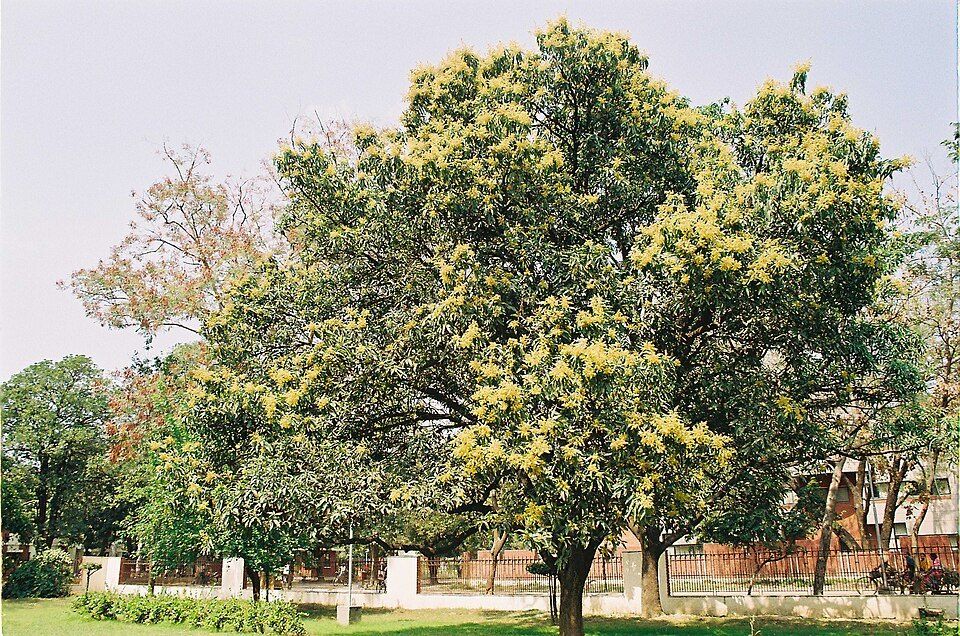
Mango tree at a glance
- Height
- 8 to 12 m
- Spread
- 5 to 7 m
- Leaves
- Evergreen
- Flowers
- Cream, pink, July to October
- Origin
- Eastern India (Assam) and Myanmar
- Family
- Anacardiaceae
How to identify a mango tree
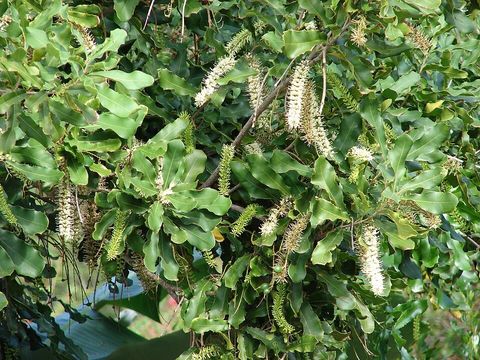
A mango tree has long, leathery leaves 10 to 30 cm long, arranged singly or in whorls, that are glossy green and aromatic when crushed, and its new growth comes through reddish before turning green. From about July, large branched sprays of tiny, fragrant cream, pinkish or purplish flowers appear at the branch tips. The familiar fruit follows, green at first and ripening to yellow, orange or red. Out of season, the size of the leaves and their strong smell when crushed are the best clues.
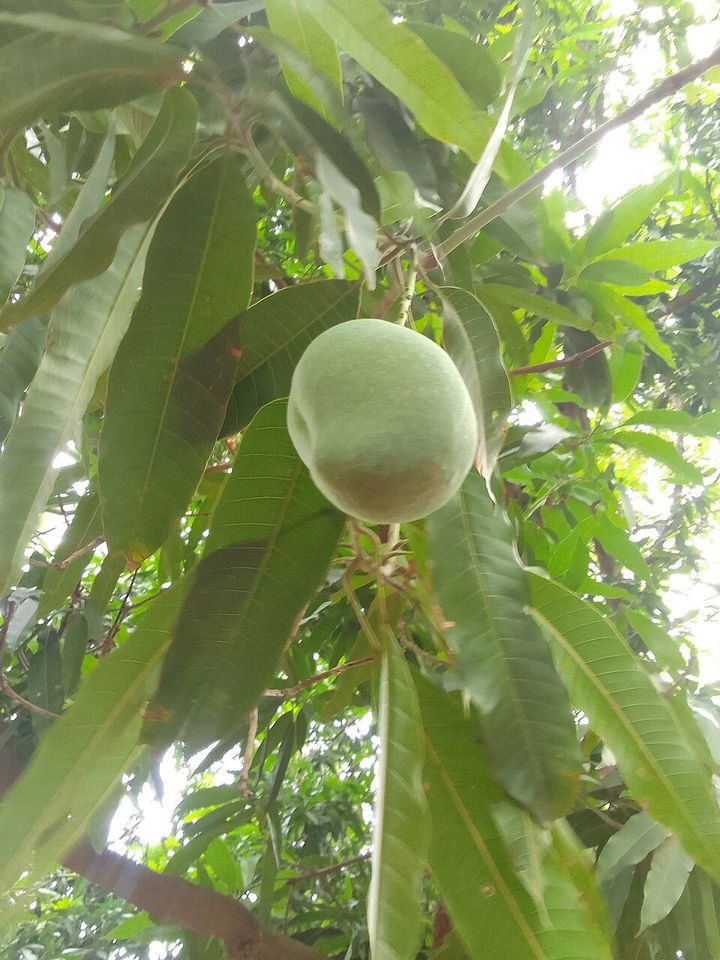
Growing a mango tree in Brisbane
Mangoes need warmth, shelter and free-draining soil, and they are at their best in tropical and subtropical climates, so a sunny Brisbane yard suits them. Young trees can be killed by frost, so give them protection in low, frost-prone spots for their first winters. Allow for an 8 to 12 metre tree unless you plan to prune every year, or choose a dwarf variety. Anthracnose, a fungal disease that damages the flowers and fruit, is the main problem, and fruit fly can attack late-ripening varieties.
What to watch out for
Mango sap is caustic and can burn the skin, and some people react strongly to it, so wear gloves and long sleeves when picking fruit or pruning. Ripening fruit attracts flying foxes and birds, and fruit fly is a risk for late varieties. Left unpruned, a mango can grow to 20 metres, putting most of the crop out of reach, and big limbs over a roof are a job for a professional with the right gear.
- Irritant sap or hairs. The sap is caustic and can burn the skin, and certain people react badly to it, so wear gloves when picking or pruning.
- Size. Left unpruned it can reach 20 metres in Australia, which puts most of the fruit out of reach.
Pruning and care
Prune right after harvest, shortening the branch ends by about 30 cm to keep the tree at a safe picking height and to remove diseased tips. Mangoes flower and fruit only from the tips of mature wood, so heavy pruning close to flowering can cost you the next crop. Dead, diseased or rubbing branches can come off whenever you notice them; cut just outside the branch collar and skip wound paints. Give it a feed of fruit tree fertiliser twice over summer, once in December and again in February, and watch for anthracnose once flowering starts.
When should you prune a mango tree?
How tall does a mango tree grow?
Can mango sap burn your skin?
When do mango trees flower and fruit in Queensland?


Sources and credits
- Mangifera indica Flora of Australia (ABRS, via Atlas of Living Australia)
- Mangifera indica fact sheet, Weeds of Australia Lucid Central (Identic Pty Ltd)
- Mango information kit (reprint of 1999 edition) Queensland Department of Primary Industries
- Mango Maintenance Gardening Australia (ABC)
- FAQs: Beneficial plants, Eggplant leaves, Pruning mango trees Gardening Australia (ABC)
- Ask It/Solve It: Mangoes, Chillies, Struggling Lime Gardening Australia (ABC)
- Mango Growing Tips and Recipes Burke's Backyard
Photo: Amar, CC BY-SA 3.0, via Wikimedia Commons.
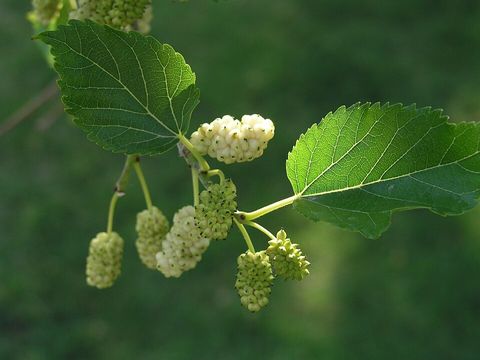
Second photo: Kingaustin07, CC BY-SA 4.0, via Wikimedia Commons.
Checked October 2026. Weed listings and council rules change: check the council's and the Queensland Government's pages before you act.
Get a free quote. We'll beat most written quotes.
Tell us about the job and the site. You don't need to be home for the quote. Available 7 days.
- 4.9 on Google (38 reviews)
- Family owned & operating since 1993
- Fully insured
- We'll beat most written quotes