
Mulberry tree
Morus alba · also called White mulberry, Mulberry, Common mulberry
This mulberry tree, white mulberry (Morus alba), is a fast-growing deciduous tree grown for its sweet berries and for silkworm leaves, and its fruit is usually black despite the name. It has also become a weed along Brisbane creeks. Brisbane City Council lists it as pest vegetation, so you generally don't need a council permit to remove it, as long as the work doesn't affect a significant landscape tree or damage protected plants nearby.
- Exotic
- Brisbane pest plant
- 9 to 15 m tall
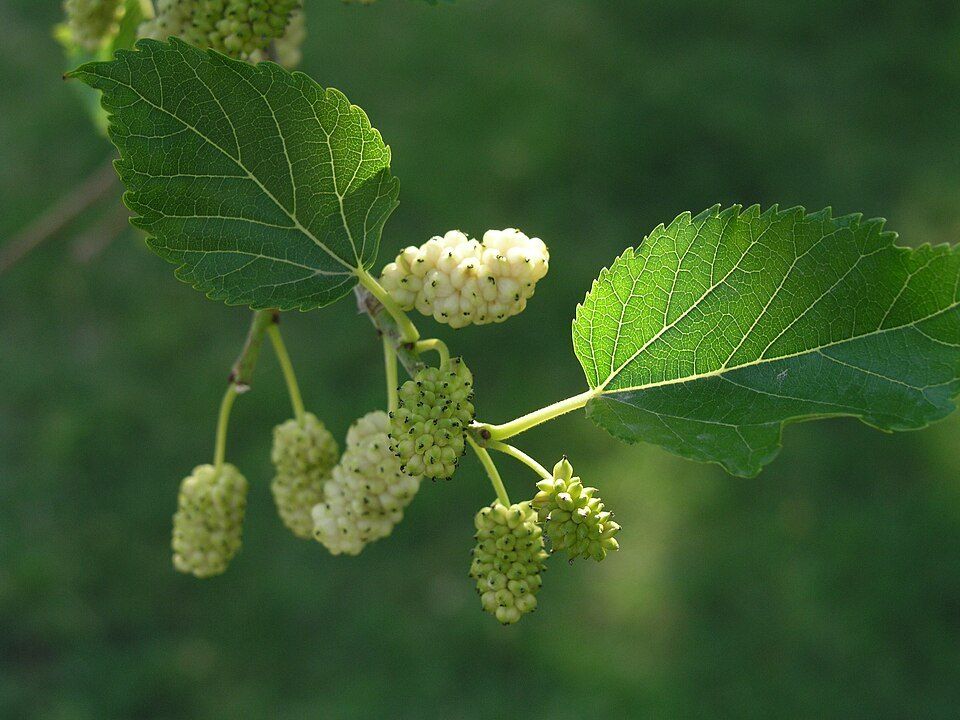
Mulberry tree at a glance
- Height
- 9 to 15 m
- Growth
- Fast
- Leaves
- Deciduous
- Flowers
- Small and easy to miss
- Origin
- Central and northern China
- Family
- Moraceae
How to identify a mulberry tree
White mulberry is a deciduous tree with broad, toothed leaves 4 to 15 cm long. Leaves on young or vigorous shoots are often deeply and irregularly lobed, while older leaves are usually plain and egg-shaped. Tiny green flowers appear in short, drooping spikes as the new leaves open in spring. Juicy, clustered berries 2 to 3 cm long follow. Despite the name, the fruit on most cultivated trees ripens black, though some forms bear white or red fruit.
Growing a mulberry tree in Brisbane
In Brisbane, white mulberry doesn't stay put. The Queensland Herbarium records it as naturalised in the Moreton district, and it is becoming common along local waterways, where it is a priority weed in the Kedron Brook catchment. Left alone, it grows into a 9 to 15 metre tree that drops its leaves in winter. Mulberries can also be hit by fruit fly, which lays eggs inside the fruit and can leave maggots in the berries.
What to watch out for
White mulberry is on Brisbane City Council's pest vegetation list and spreads into creeks and bushland. The fruit is messy: it drops and stains paths and cars, and birds that eat it leave purple droppings on washing. Mulberries can also suffer from fruit fly and bacterial blight, which spots and curls new leaves.
- Mess. Ripe fruit drops and stains paths and cars, and birds that eat it can leave purple droppings on washing.
- Seedlings. It has naturalised along creeks and bushland edges around Brisbane and is a priority weed in the Kedron Brook catchment.
Pruning and care
If you keep a mulberry, prune it to manage its size and cropping. A hard prune in winter, while it's bare, keeps it compact, and a lighter trim after the main harvest encourages new growth, which carries the next crop. Pick berries only when fully ripe, because they won't ripen once picked. Pull up any seedlings while they're small. Removing a large tree near buildings or power lines is a job for a professional with the right gear.
Is mulberry a weed in Brisbane?
Do I need a permit to remove a mulberry tree in Brisbane?
When do mulberries fruit?
How big does a mulberry tree grow?

Sources and credits
- White mulberry Brisbane City Council (weed identification tool)
- Frequently Asked Questions Brisbane City Council (weed identification tool)
- Morus alba fact sheet Environmental Weeds of Australia (Lucidcentral)
- Morus alba PlantNET (NSW Flora Online), Royal Botanic Gardens and Domain Trust
- Mulberry Burke's Backyard
- How to grow mulberry Yates
- Top Tip: Mulberries Gardening Australia, ABC
- Census of the Queensland Flora and Fungi 2025 Queensland Herbarium, Queensland Government
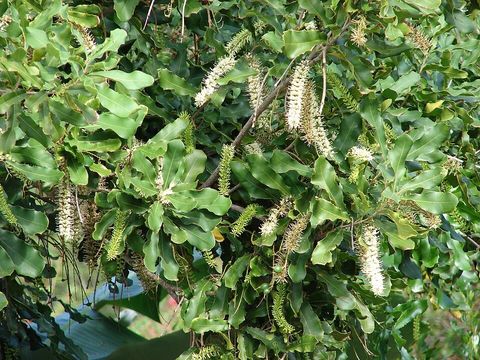
Photo: GerardM, CC BY-SA 2.1 es, via Wikimedia Commons.
Checked October 2026. Weed listings and council rules change: check the council's and the Queensland Government's pages before you act.
Get a free quote. We'll beat most written quotes.
Tell us about the job and the site. You don't need to be home for the quote. Available 7 days.
- 4.9 on Google (38 reviews)
- Family owned & operating since 1993
- Fully insured
- We'll beat most written quotes