
Native frangipani
Hymenosporum flavum · also called Queensland frangipani
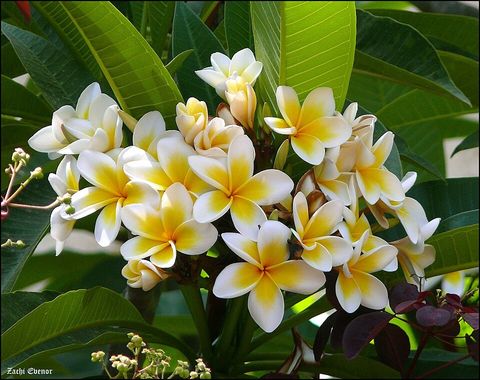
Native frangipani is an Australian rainforest tree, native to south-east Queensland, grown for clusters of sweetly scented flowers that open cream in spring and age to deep yellow. The name comes from flowers that look like frangipani blooms in size and shape; the tree itself is unrelated. Its slender, upright shape and glossy leaves make it a good native choice for a small garden.
- Native to South East Queensland
- 6 to 15 m tall
- Flowers September to December
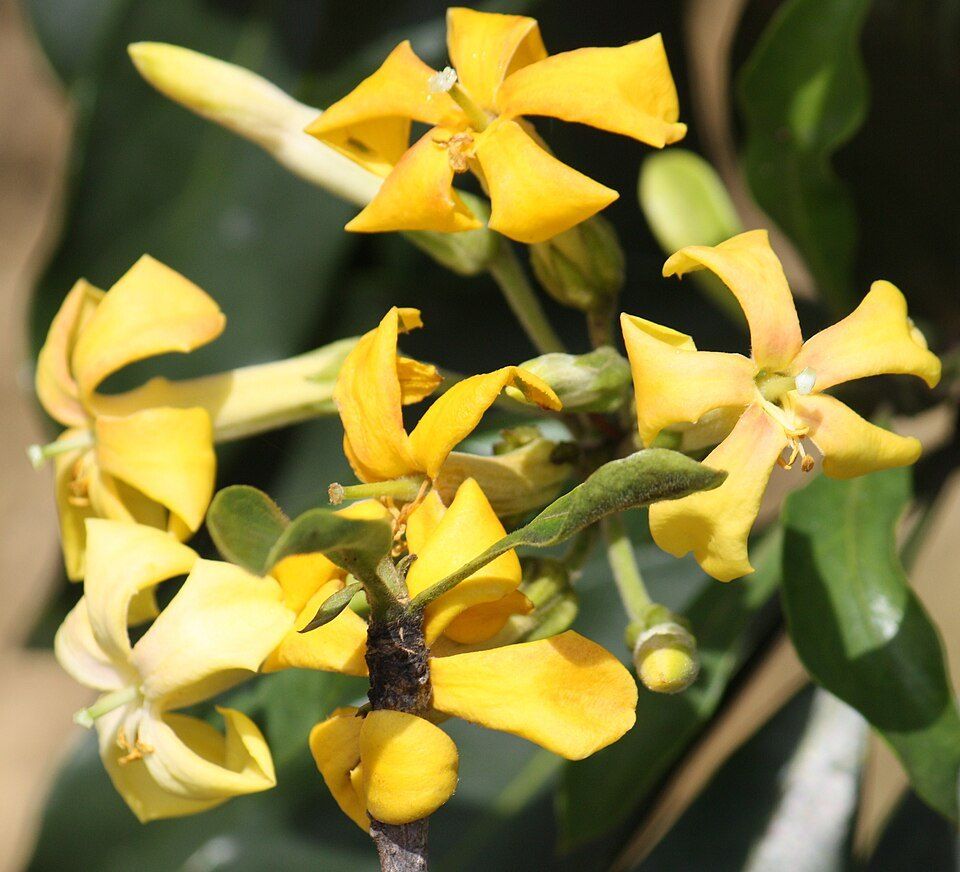
Native frangipani at a glance
- Height
- 6 to 15 m (up to 25 m in the wild)
- Leaves
- Evergreen
- Flowers
- Cream, yellow, September to December
- Origin
- Rainforest edges from the Hunter River in NSW to Atherton in north Queensland, and New Guinea
- Family
- Pittosporaceae
How to identify a native frangipani
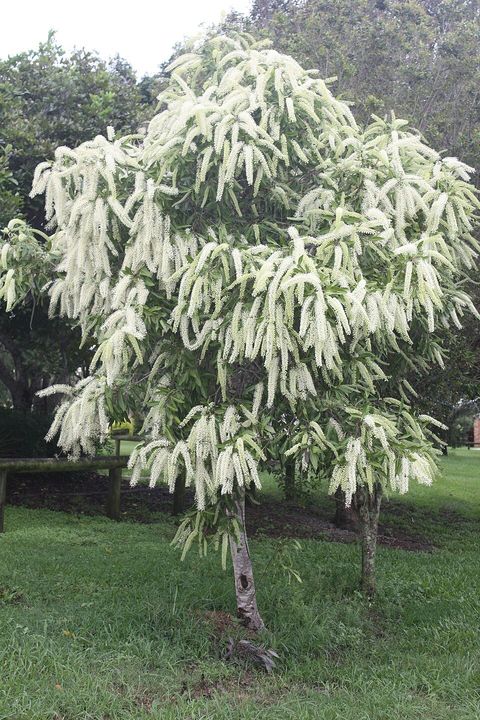
A slender, upright tree, usually under 10 metres in gardens, with branches that spread from the trunk in distinct tiers. The glossy, deep green leaves are 7 to 15 cm long and cluster near the branch tips. In spring it carries loose bunches of tubular flowers about 4 cm across that open creamy white and darken to deep yellow, sometimes with a reddish centre, all strongly perfumed. Flattened, hairy brown capsules follow, packed with papery winged seeds. Despite the name, it belongs to a different plant family, Pittosporaceae, from the true frangipani.
Growing a native frangipani in Brisbane
Native frangipani grows naturally in and around rainforest along the east coast, including south-east Queensland, and Burke's Backyard lists Brisbane among the cities where it grows well. It takes full sun to dappled shade but flowers best in an open, sunny position, and prefers well-drained soil rich in organic matter. Its narrow shape suits small yards, and it is often planted as a street tree. Shelter from strong winds helps.
Pruning and care
Native frangipani needs little pruning beyond removing dead, damaged or crossing branches, and it looks best when allowed to keep its natural tiered shape. Water young trees through dry spells and mulch to keep the soil moist and rich in organic matter; established trees cope with dry weather if they get some extra water. It tolerates moderate frost once established. The compact 'Gold Nugget' form, a shrub of about a metre, responds well to pruning and can be clipped as a low hedge.
How tall does a native frangipani grow?
When does native frangipani flower?
Is native frangipani related to frangipani?
Is native frangipani good for small gardens?

Sources and credits
- Hymenosporum flavum, Flora of Australia Australian Biological Resources Study (Flora of Australia online)
- Hymenosporum flavum, New South Wales Flora Online PlantNET, Royal Botanic Gardens and Domain Trust
- Hymenosporum flavum Australian Native Plants Society (Australia)
- Hymenosporum flavum, Australian Tropical Rainforest Plants CSIRO (Australian Tropical Rainforest Plants online edition)
- Great Perfumed Plants of Spring Burke's Backyard
- Species profile: Hymenosporum flavum (WildNet taxon details) Queensland Government
- Hymenosporum flavum species page Atlas of Living Australia
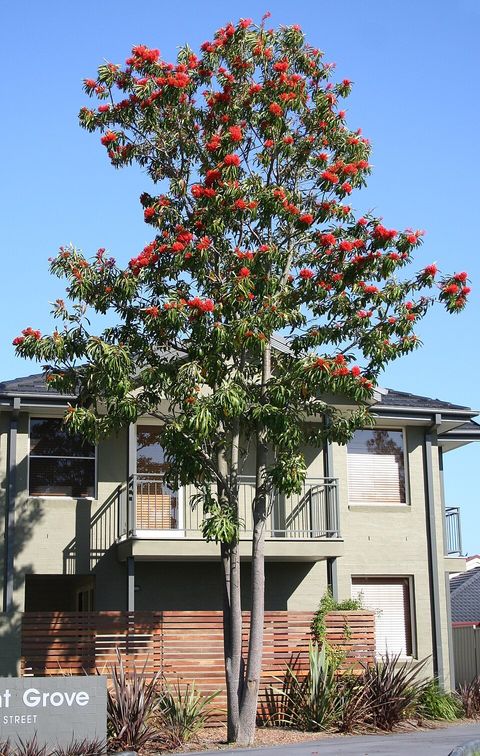
Photo: Jan Smith from Brisbane, Australia, CC BY 2.0, via Wikimedia Commons.
Checked October 2026. Weed listings and council rules change: check the council's and the Queensland Government's pages before you act.
Get a free quote. We'll beat most written quotes.
Tell us about the job and the site. You don't need to be home for the quote. Available 7 days.
- 4.9 on Google (38 reviews)
- Family owned & operating since 1993
- Fully insured
- We'll beat most written quotes