
Blueberry ash
Elaeocarpus reticulatus · also called Fairy petticoats, Ash quandong, Blue olive berry
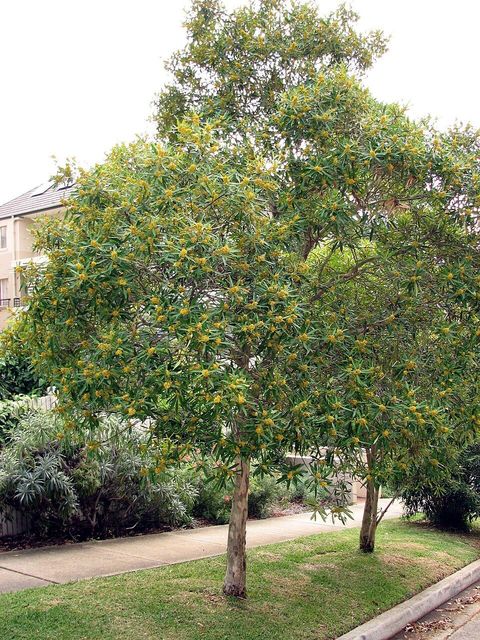
Blueberry ash is a slim native tree that grows naturally along creeks and gullies in South East Queensland. Gardeners like it for its fringed, bell-shaped spring flowers and the bright blue berries that follow. It stays narrow, handles pruning and makes a neat screen in a small yard, and Brisbane City Council plants it as a street tree, along with its pink 'Prima Donna' and 'Green Dream' forms.
- Native to South East Queensland
- 4 to 10 m tall
- Flowers September to November
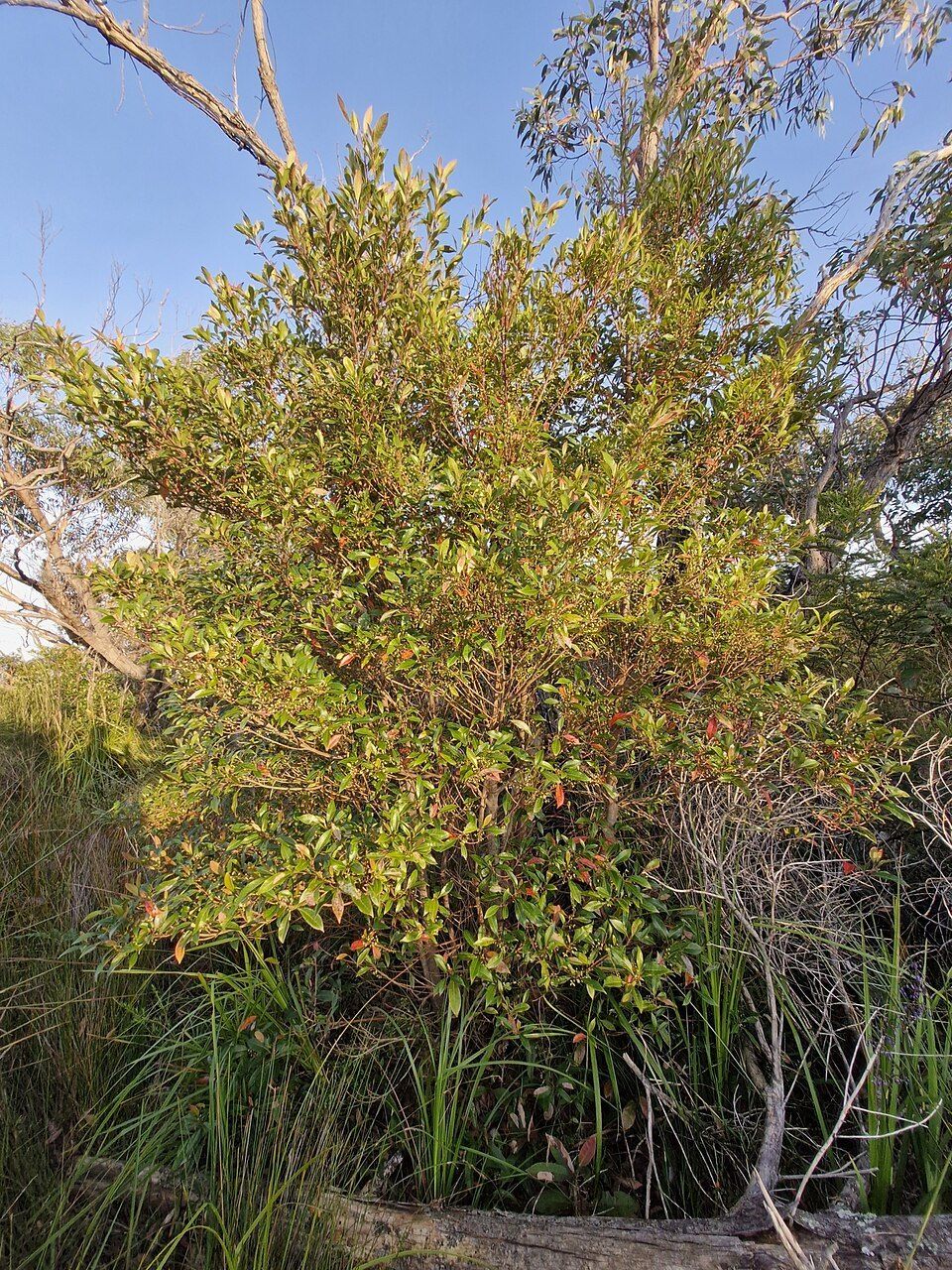
Blueberry ash at a glance
- Height
- 4 to 10 m (up to 15 m in the wild)
- Leaves
- Evergreen
- Flowers
- White, cream, pink, September to November
- Origin
- Eastern Australia, from Queensland through NSW to Victoria and Tasmania
- Power lines
- Council allows it under power lines in some streets
- Family
- Elaeocarpaceae
How to identify a blueberry ash
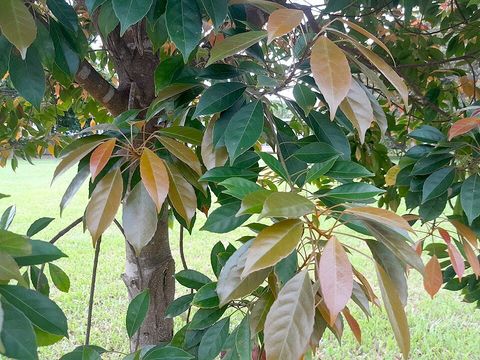
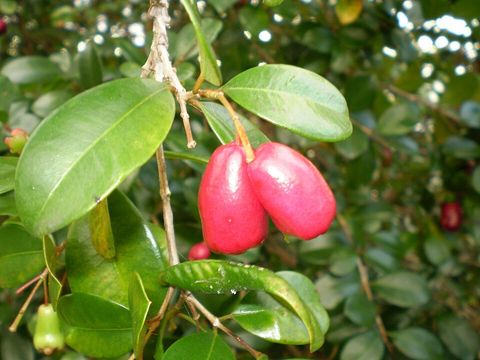
Look for an upright small tree with a fairly narrow crown of oblong, leathery leaves, each 5 to 13 cm long, with small regular teeth along the margin and a fine network of veins on both surfaces. In spring it carries short sprays of small hanging bells whose petals are slashed into a fringe, usually white or cream, and pink in some garden forms. Round blue berries about a centimetre across follow and stay on the tree for weeks. Its relative the Eumundi quandong is a larger tree with glossy leaves and bronze new growth.
Growing a blueberry ash in Brisbane
As a local species, blueberry ash suits Brisbane conditions. It grows in anything from full sun to heavy shade and is not fussy about soil, though it does poorly in very sandy or waterlogged spots. Once its roots are established it copes with dry spells. Brisbane City Council lists it for street planting in its Riparian and Undulating Plains precincts at 4 to 10 metres tall, so it fits narrow side yards, fence lines and small front gardens where a big shade tree would be too much.
What to watch out for
Blueberry ash is not on Brisbane City Council's weed list. The main thing to avoid is poorly drained ground, as it does not favour waterlogged soil. Birds feed on the berries, so it suits a wildlife-friendly garden.
Pruning and care
Blueberry ash needs little routine pruning. Trim it lightly to keep it compact or dense for screening; it responds well to being cut back and can be held at a small size if you start while it is young. Heavy cuts in spring remove that season's flowers and berries, so leave major shaping until after the berries finish. Take out dead or crossing branches with clean cuts just outside the branch collar. Water young trees through dry spells, mulch the root zone and avoid boggy ground.
How tall does a blueberry ash grow?
When does blueberry ash flower in Brisbane?
Are blueberry ash berries edible?
Is blueberry ash good for screening?

Sources and credits
- Street tree species (open data) Brisbane City Council
- Elaeocarpus reticulatus Australian Native Plants Society (Australia)
- Elaeocarpus reticulatus, New South Wales Flora Online PlantNET, Royal Botanic Gardens Sydney
- Waterwise Plants Gardening Australia (ABC)
- Booderee Botanic Gardens Gardening Australia (ABC)
- Trees for Small Gardens Gardening Australia (ABC)
- Elaeocarpus reticulatus (species page and herbarium records) Atlas of Living Australia
- Mango Maintenance (pruning cuts at the branch collar) Gardening Australia (ABC)
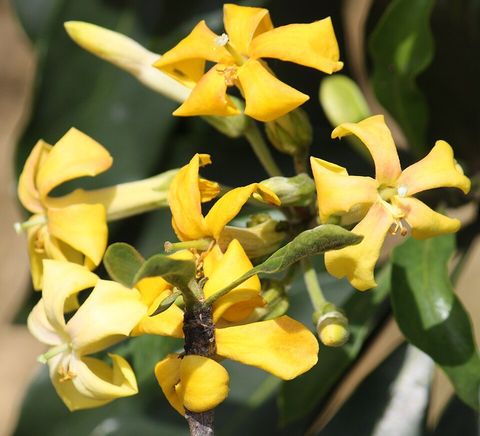
Photo: ronavery, CC BY 4.0, via Wikimedia Commons.
Checked October 2026. Weed listings and council rules change: check the council's and the Queensland Government's pages before you act.
Get a free quote. We'll beat most written quotes.
Tell us about the job and the site. You don't need to be home for the quote. Available 7 days.
- 4.9 on Google (38 reviews)
- Family owned & operating since 1993
- Fully insured
- We'll beat most written quotes