
Lilly pilly
Syzygium australe and relatives · also called Brush cherry, Lillypilly, Scrub cherry
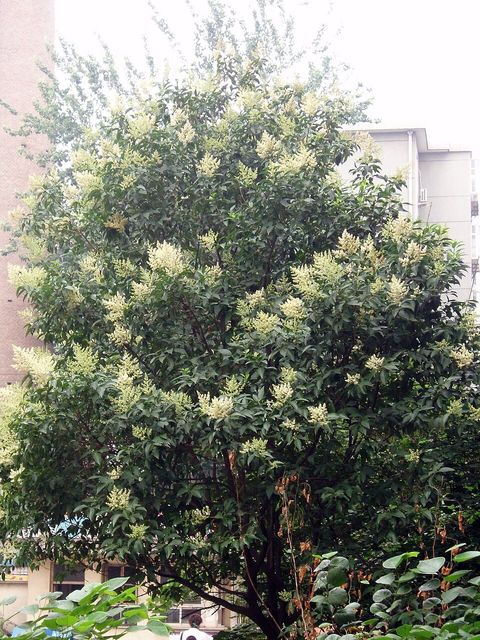
Lilly pilly is the name for a group of native rainforest trees and shrubs, led by the brush cherry (Syzygium australe), that are among Australia's most popular hedge and screen plants. They have glossy leaves, colourful new growth, fluffy white flowers and fleshy fruit, which is edible in the case of brush cherry. Pick a variety sized for the space and resistant to the pimple psyllid.
- Native to South East Queensland
- 2 to 10 m tall
- Flowers September to December
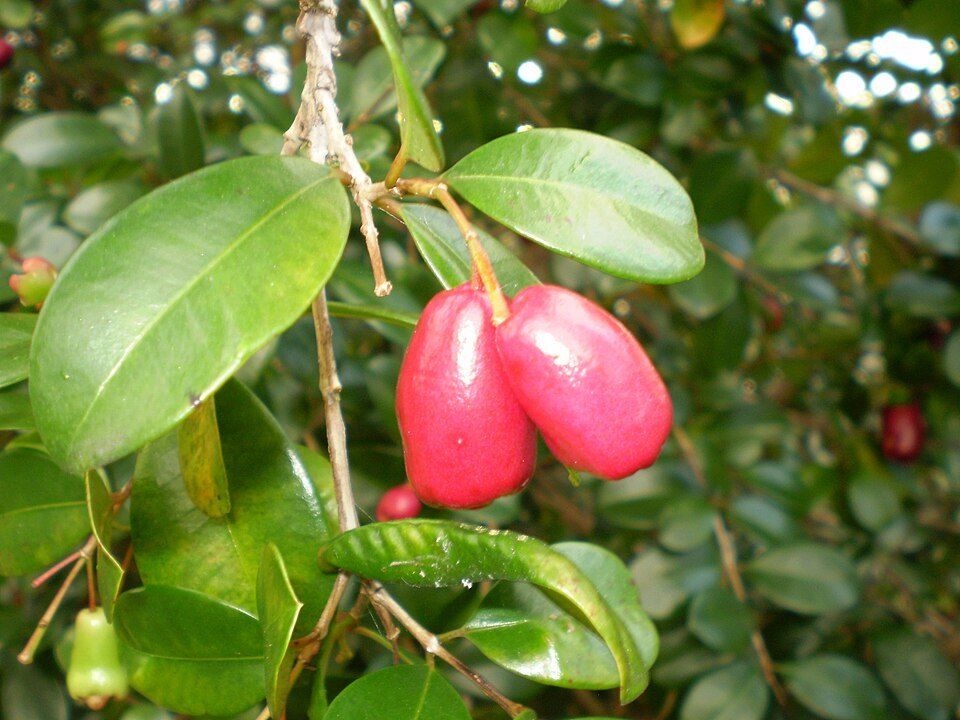
Lilly pilly at a glance
- Height
- 2 to 10 m (up to 25 m in the wild)
- Leaves
- Evergreen
- Flowers
- White, cream, September to December
- Roots
- Moderate
- Origin
- Coastal rainforests from southern New South Wales into Queensland (brush cherry)
- Family
- Myrtaceae
How to identify a lilly pilly
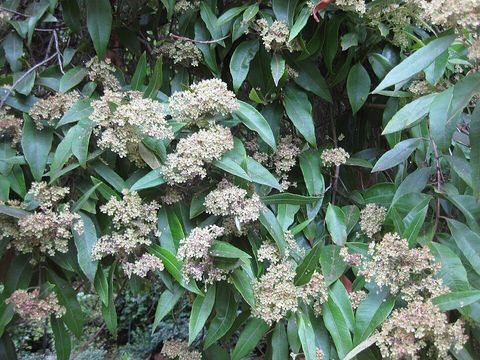
Lilly pillies have glossy, smooth-edged leaves in opposite pairs, and most show pink, red or bronze new growth. Brush cherry leaves are 3 to 10 cm long and paler underneath, the young twigs are square with small ridges, and tiny oil dots can be seen in the leaves with a hand lens. In spring and early summer, fluffy white to cream flowers with long stamens open in clusters at the branch tips, followed by fleshy, pear-shaped red to pink fruit up to 2.5 cm long. Leaves covered in little pimple-like lumps point to the lilly pilly psyllid. Broad-leaved privet, a weed, looks similar but has bluish-black berries and no oil dots.
Growing a lilly pilly in Brisbane
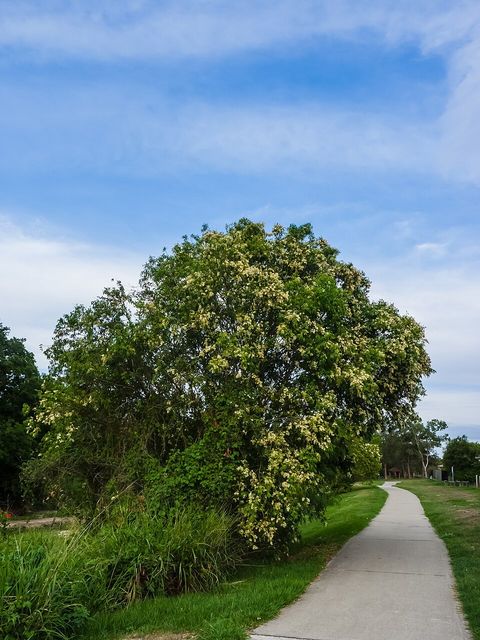
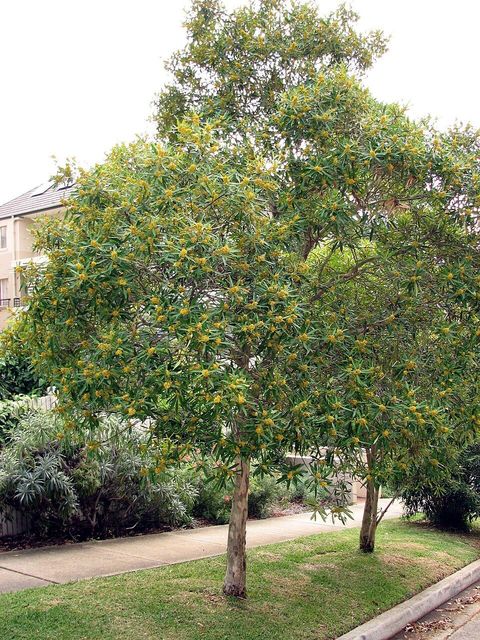
Lilly pillies are local natives, and Brisbane City Council includes them in its free native plants program as hardy screen and hedge plants. They prefer full sun to part shade and well-drained, reasonably fertile soil, and brush cherry copes with dry spells once established. Brisbane City Council's street tree list includes several relatives, such as broad-leaved lilly pilly (5 to 10 m) and small-leaved lilly pilly (7 to 14 m). Many plants are sold under marketing names, and some are mislabelled, so check the mature size and psyllid resistance before buying.
What to watch out for
The lilly pilly psyllid, a tiny native sap-sucking insect, causes pimply, distorted leaves. It is worst on brush cherry and on plants sold as Syzygium paniculatum, though some cultivars resist it. Fallen fruit can make paths slippery. Keep large lilly pillies away from pipes: Unitywater lists the large species among plants not to grow near water and sewer lines.
- Mess. Ripe fruit that falls on paths and paving can be messy and slippery.
Pruning and care
Lilly pillies handle regular, even heavy, pruning, which makes them good hedges. Trim when the new growth is about 7 to 8 cm long, cutting back to just above the line of the last trim, and prune flowering hedges once flowering has finished. Unpruned plants can become leggy and gappy. Psyllid damage is easier to avoid by choosing resistant types, such as small-leaved lilly pilly varieties, than by spraying, because the insects feed inside the leaves.
Are lilly pilly roots invasive?
How do I stop pimples on my lilly pilly leaves?
How tall does a lilly pilly grow?
Can you eat lilly pilly fruit?

Sources and credits
- Syzygium australe (New South Wales Flora Online) PlantNET, Royal Botanic Gardens Sydney
- Syzygium australe (plant database) Australian Native Plants Society (Australia)
- Syzygium australe and S. paniculatum (plant profile) Australian Native Plants Society (Australia)
- Best lilly pilly varieties Burke's Backyard
- Trimming a lilly pilly Burke's Backyard
- Lilly pilly (variegated lilly pilly fact sheet) Burke's Backyard
- Don's expert answers: lilly pilly close to water meters Burke's Backyard
- Think before you plant Unitywater
- Free Native Plants: species (open data) Brisbane City Council
- Street tree species (open data) Brisbane City Council
- Broad leaf privet (alternatives) Grow Me Instead (Nursery & Garden Industry Australia)
- Broad-leaved privet (weed identification tool) Brisbane City Council
Photo: John Moss, Public domain, via Wikimedia Commons.
Checked October 2026. Weed listings and council rules change: check the council's and the Queensland Government's pages before you act.
Get a free quote. We'll beat most written quotes.
Tell us about the job and the site. You don't need to be home for the quote. Available 7 days.
- 4.9 on Google (38 reviews)
- Family owned & operating since 1993
- Fully insured
- We'll beat most written quotes