
Camphor laurel
Cinnamomum camphora · also called Camphor tree, Camphor, Japanese camphor
Camphor laurel is a large, fast-growing evergreen from Japan, Taiwan and China, once widely planted in Australian gardens, schools and streets for shade. Crush a leaf and it smells of camphor. Birds now spread its berries into creeks and bushland across South East Queensland, where it crowds out native trees, including the blue gums koalas feed on, and it is a Category 3 restricted invasive plant in Queensland.
- Exotic
- Restricted weed in Queensland
- 20 to 30 m tall
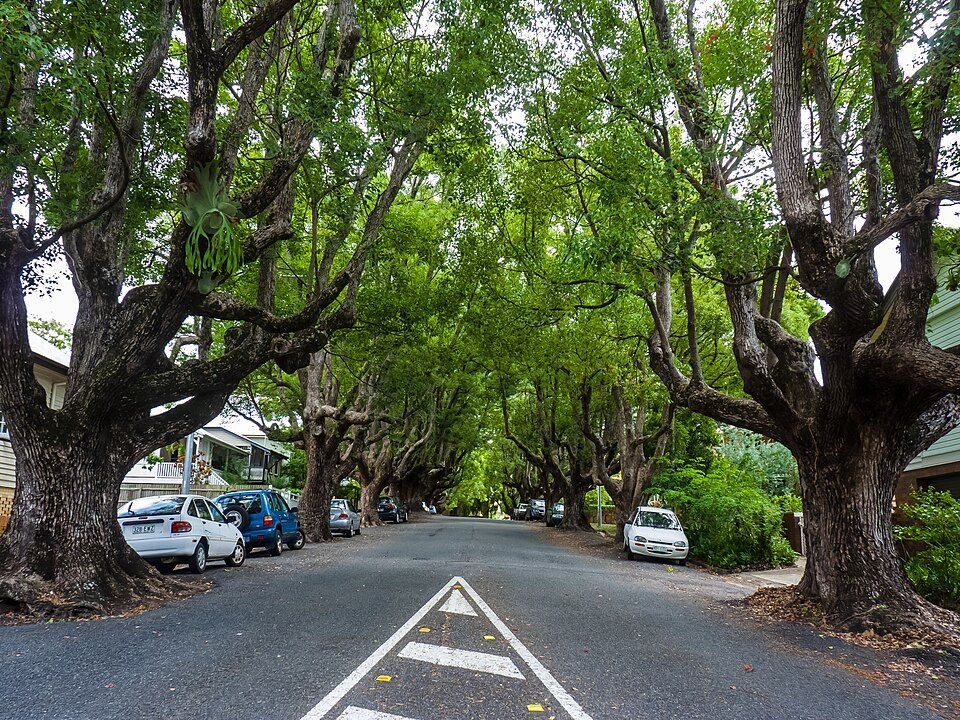
Camphor laurel at a glance
- Height
- 20 to 30 m
- Growth
- Fast
- Leaves
- Evergreen
- Flowers
- Small and easy to miss
- Roots
- Aggressive
- Origin
- Japan, Taiwan and China
- Family
- Lauraceae
How to identify a camphor laurel
The quickest test is smell: crush a leaf and it releases a strong camphor scent. Leaves are oval with a drawn-out tip, 4 to 10 cm long, glossy green on top and duller underneath, with three main veins running from the base and small pits under the leaf where those veins meet. Young buds are wrapped in overlapping scales. Tiny cream flowers appear in spring, followed by pea-sized berries that ripen to shiny black, each sitting in a little cup. The bark is grey-brown and rough or fissured. The native camphorwood, also called Oliver's sassafras (Cinnamomum oliveri), smells of camphor too, but its leaves are narrower and grow in opposite pairs.
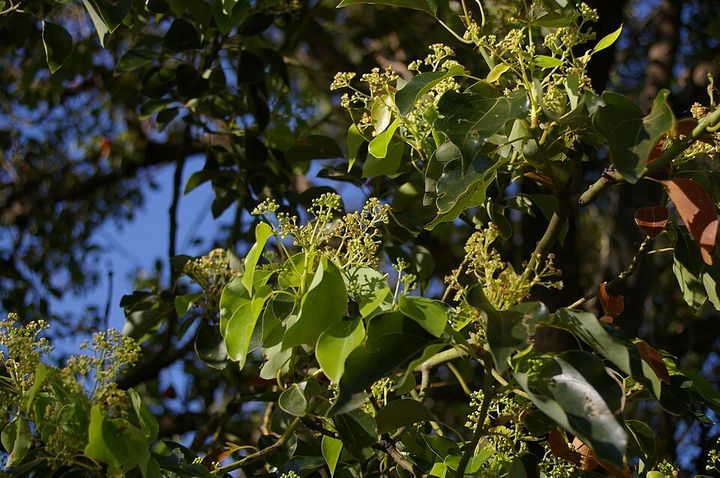
Growing a camphor laurel in Brisbane
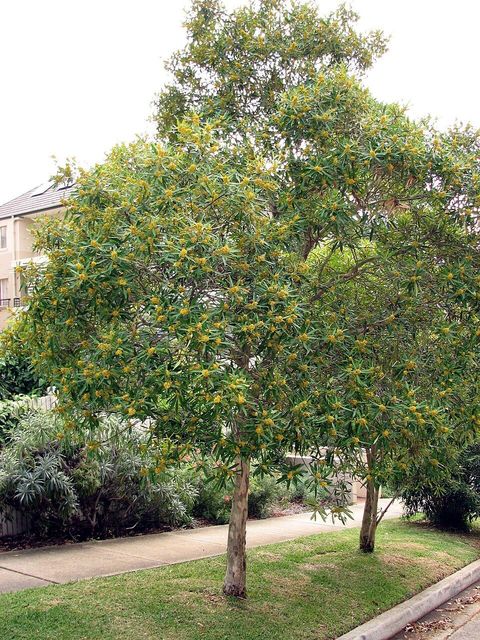
Camphor laurel is common across South East Queensland, especially along creeks and on soils that once carried rainforest. Birds and floodwater carry the seed, and dumped garden waste adds to the spread. In a suburban yard it quickly outgrows the space: little survives beneath its dense shade, spreading roots and leaf litter, and older trees can crack concrete, block drains and push over fences. Many Brisbane camphors were planted long ago for shade and timber and are now very large trees.
What to watch out for
Roots are the main household risk: old trees spread a huge network of roots that clogs drains and cracks paths and slabs. A large tree can produce more than 100,000 seeds a year, birds carry them off, and the seed can survive about three years in the ground, so expect seedlings along fences and under power lines. Its leaves, fruit and roots are toxic to tadpoles, small fish and other creek life, and all parts are regarded as poisonous to people if eaten. Cut trees resprout and sucker, so plan for follow-up work.
- Seedlings. Birds and water spread the seed, so seedlings come up along creeks, fence lines and under power lines where birds perch.
- Poisonous parts. All parts are regarded as poisonous to people if eaten, and its leaves, fruit and roots are toxic to tadpoles and small fish in creeks.
- Size. It becomes a broad tree of 20 metres or more, so taking out a mature one is a big, costly job.
Pruning and care
With a restricted invasive plant the goal is control, not care. Pull or dig out seedlings while they are small, roots and all. Established trees reshoot from the stump and sucker from the roots when cut or poisoned, so removal usually means taking the tree down, treating the stump and coming back for any regrowth. Near people or buildings it is safer to take down most of the tree before treating the stump than to poison it standing. A big camphor close to a house is a job for a professional crew with the right gear.
Is camphor laurel a weed in Queensland?
Are camphor laurel roots invasive?
How do you get rid of a camphor laurel?
Is camphor laurel poisonous?
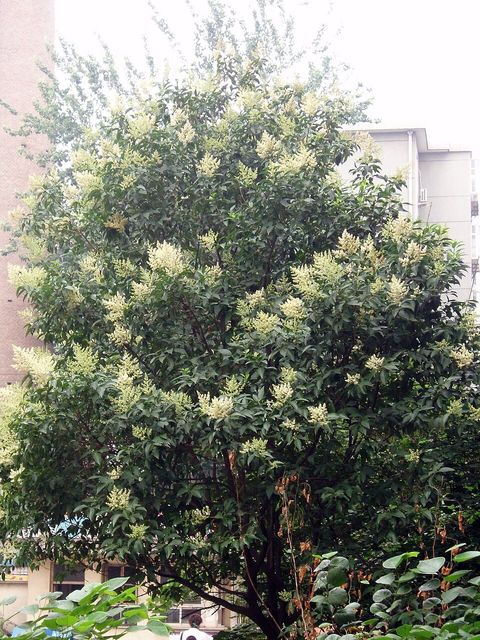
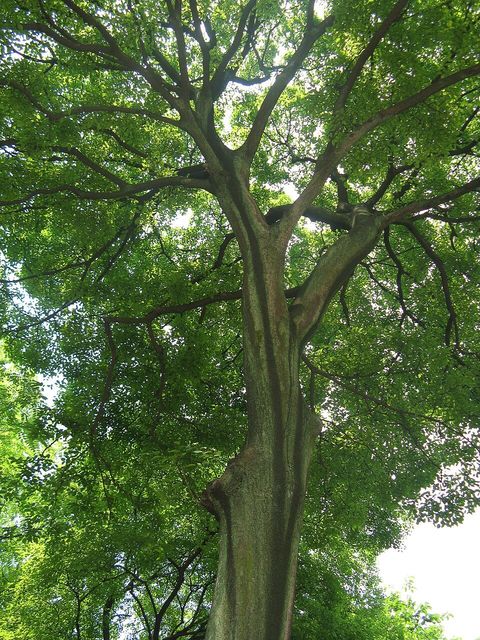


Sources and credits
- Camphor laurel (weed identification tool) Brisbane City Council
- Camphor laurel Business Queensland (Queensland Government)
- Cinnamomum camphora (Camphor Laurel) Weeds Australia profiles (Atlas of Living Australia)
- Cinnamomum camphora, New South Wales Flora Online PlantNET, Royal Botanic Gardens Sydney
- Cinnamomum camphora Flora of Australia (ABRS, via Atlas of Living Australia)
- Converting Camphor Gardening Australia (ABC)
- Camphor Laurel Grow Me Instead (Nursery & Garden Industry Australia)
Photo: John Robert McPherson, CC BY-SA 4.0, via Wikimedia Commons.
Second photo: John Robert McPherson, CC BY-SA 4.0, via Wikimedia Commons.
This profile updates sheet 25 of the plant profile booklet made for Colourful Tree Lopping in 2013. We checked every fact against current sources and rewrote it for the guide.
Checked October 2026. Weed listings and council rules change: check the council's and the Queensland Government's pages before you act.
Get a free quote. We'll beat most written quotes.
Tell us about the job and the site. You don't need to be home for the quote. Available 7 days.
- 4.9 on Google (38 reviews)
- Family owned & operating since 1993
- Fully insured
- We'll beat most written quotes