
Broad-leaved privet tree
Ligustrum lucidum · also called Large-leaf privet, Tree privet, Glossy privet
Broad-leaved privet is a privet tree from eastern Asia that has long been planted in Australian gardens as a hedge and windbreak. In Queensland it is now a Category 3 restricted invasive plant. Birds carry its berries into bushland and along creeks, where it forms dense thickets that crowd out rainforest plants. Brisbane City Council suggests native cheese trees or lilly pillies instead.
- Exotic
- Restricted weed in Queensland
- 4 to 12 m tall
- Flowers September to February
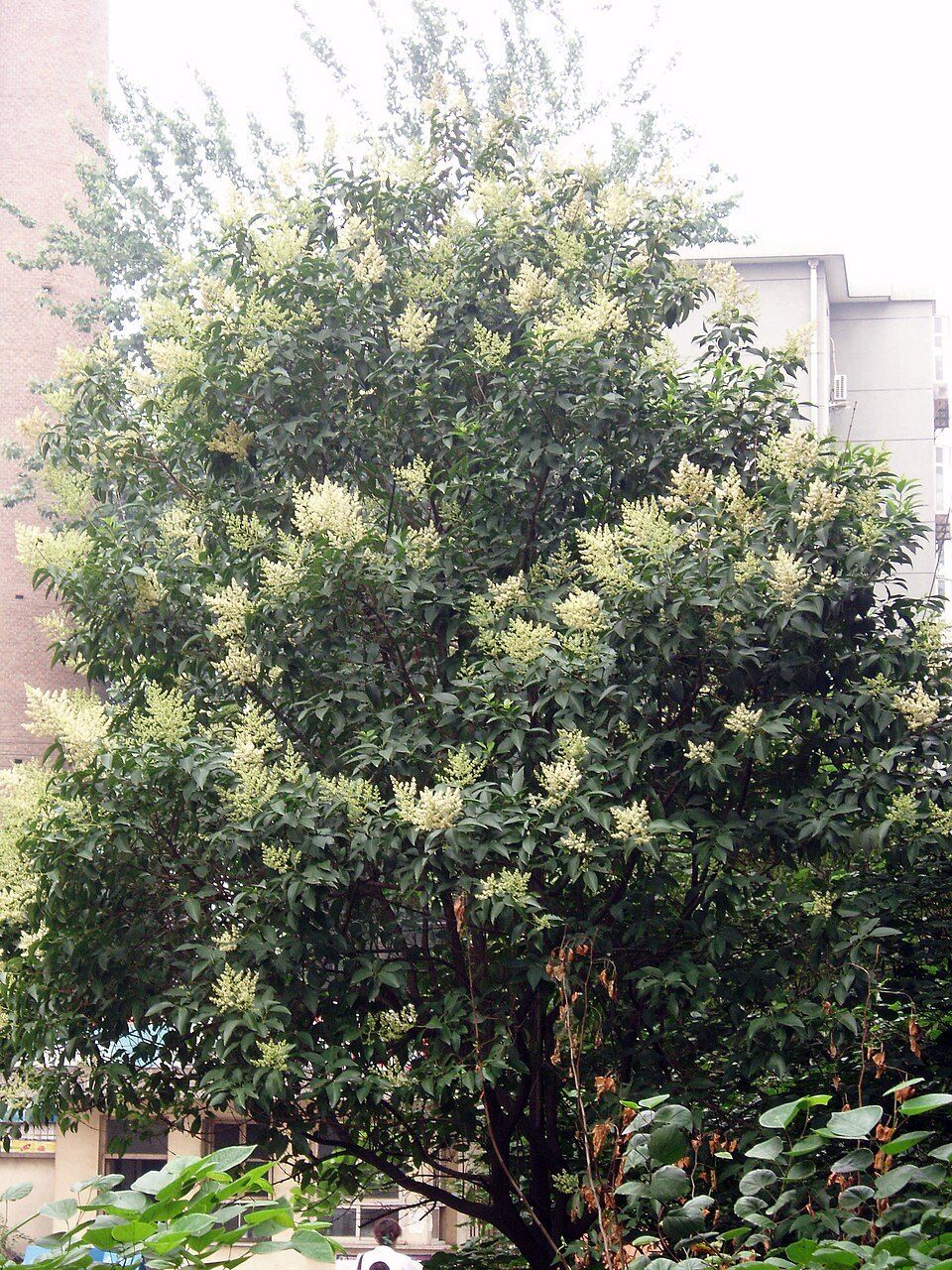
Broad-leaved privet at a glance
- Height
- 4 to 12 m (up to 25 m in the wild)
- Leaves
- Evergreen
- Flowers
- White, cream, September to February
- Origin
- Eastern Asia: China, Korea and Japan
- Family
- Oleaceae
How to identify a broad-leaved privet
It is usually a small, dense tree of 4 to 12 m. The leathery leaves grow in opposite pairs and are glossy dark green on top, duller and paler beneath, smooth-edged and pointed. In spring and summer, big branched sprays of tiny white to cream flowers open at the branch tips, with a strong, sickly sweet smell. Bunches of small oval berries follow and turn blue-black in autumn and winter. Small-leaved privet is similar, but its leaves are only 2 to 7 cm long and its young shoots are hairy. Out of flower and fruit, it is easily mistaken for native cheese tree or a lilly pilly.
Growing a broad-leaved privet in Brisbane
Privet likes warm, humid conditions, and Business Queensland says it is now found throughout South East Queensland, especially around creeks, gullies and drainage lines. It is still common in gardens, where it was planted as a hedge, screen or windbreak. That is how it reached the bush: birds take the berries from garden plants, and water and dumped garden waste carry the seed further. As a restricted invasive plant it should not be planted, and existing plants need managing so they don't spread.
What to watch out for
The berries are the main problem. Business Queensland says one plant can produce up to 10 million seeds a season and live for up to 100 years, and birds and water spread the seed into creeks and bushland. The leaves and berries are poisonous if eaten, so keep children away from them, and the flowers can bother hay fever sufferers. As a Category 3 restricted invasive plant, it must not be given away, sold or released, and you must manage it on your land.
- Seedlings. Birds eat the berries and drop the seed in bushland and along creeks, and Business Queensland says a plant can produce up to 10 million seeds in a season.
- Poisonous parts. The leaves and berries are poisonous if eaten by people or livestock.
- Allergies. Business Queensland notes that it irritates hay fever sufferers.
Pruning and care
Pull seedlings while they are small and try to get the whole taproot, because a broken root can regrow. Larger plants are usually controlled by cutting them down and treating the stump with herbicide, using the rates in the Queensland Government's privet fact sheet. Dispose of cuttings and berries carefully, and never dump them in bushland or with loose garden waste, as that is one way the seed spreads. Felling a tall privet near a house or fence is a job for a professional with the right gear.
Is privet a weed in Queensland?
Are privet berries poisonous?
What can I plant instead of a privet tree?
How do I get rid of a privet tree?
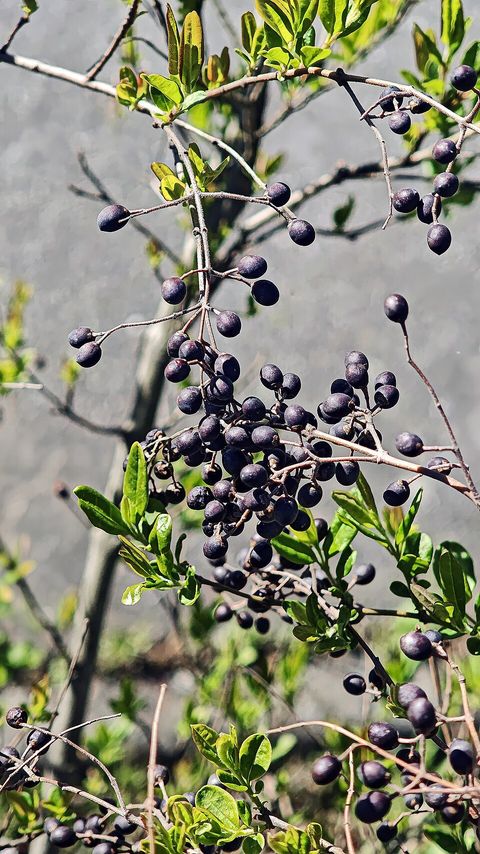
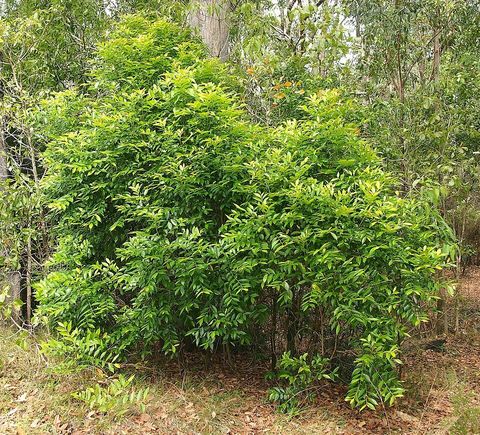
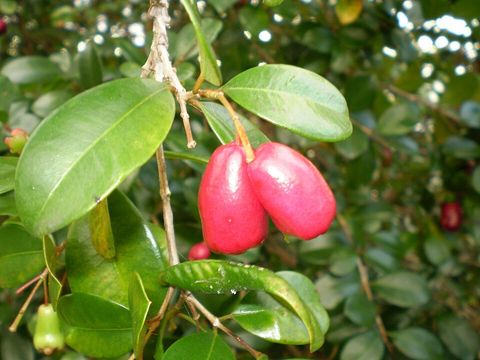

Sources and credits
- Broad-leaved privet (weed identification tool) Brisbane City Council
- Broad-leaf privet Business Queensland (Queensland Government)
- Ligustrum lucidum (Environmental Weeds of Australia, Biosecurity Queensland edition) Biosecurity Queensland and Identic
- Weed alert: privet Gardening Australia (ABC)
- Brisbane weeds (open data) Brisbane City Council
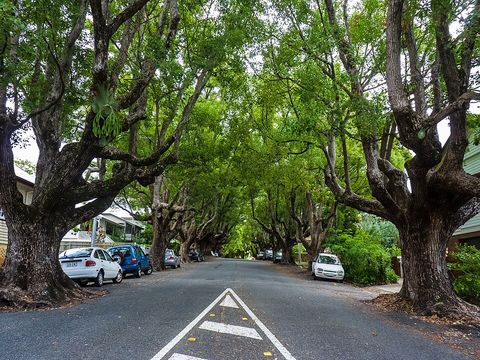
Photo: Taken by Fanghong, CC BY 2.5, via Wikimedia Commons.
This profile updates sheet 24 of the plant profile booklet made for Colourful Tree Lopping in 2013. We checked every fact against current sources and rewrote it for the guide.
Checked October 2026. Weed listings and council rules change: check the council's and the Queensland Government's pages before you act.
Get a free quote. We'll beat most written quotes.
Tell us about the job and the site. You don't need to be home for the quote. Available 7 days.
- 4.9 on Google (38 reviews)
- Family owned & operating since 1993
- Fully insured
- We'll beat most written quotes