
Small-leaved privet
Ligustrum sinense · also called Chinese privet, Small-leaf privet, Narrow-leaf privet
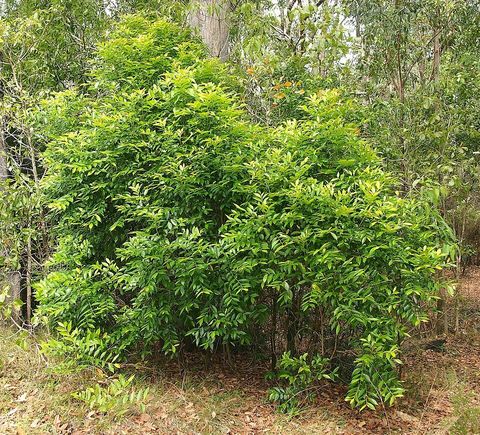
Small-leaved privet, often called small leaf privet or Chinese privet, is an Asian shrub or small tree that was long planted as a hedge. In South East Queensland it has escaped gardens: birds carry its berries into creeks and bushland, where it forms dense thickets that crowd out native plants. It's a Category 3 restricted invasive plant in Queensland.
- Exotic
- Restricted weed in Queensland
- 3 to 4 m tall
- Flowers August to November
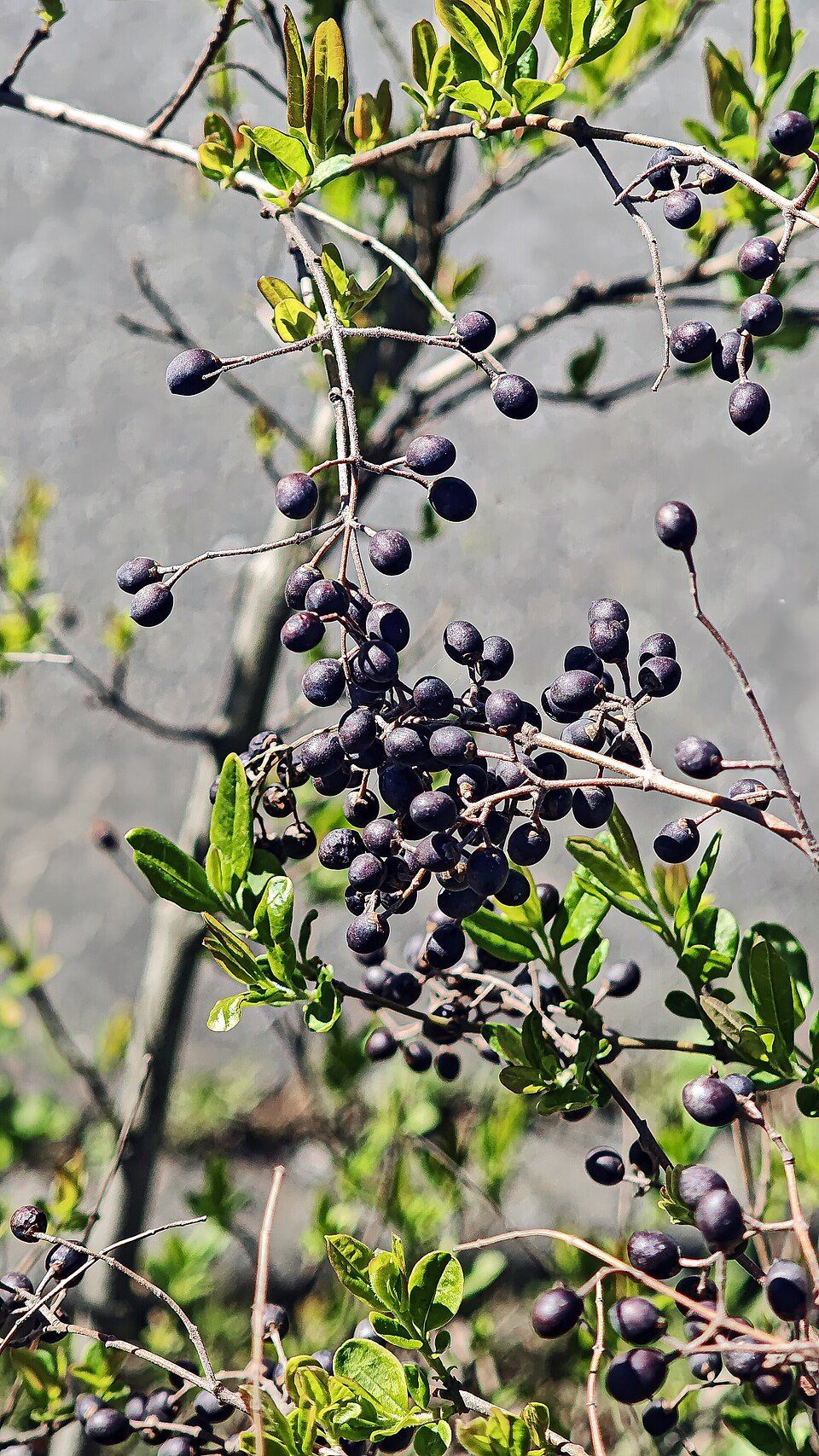
Small-leaved privet at a glance
- Height
- 3 to 4 m (up to 5 m in the wild)
- Leaves
- Evergreen
- Flowers
- White, cream, August to November
- Origin
- China and South-East Asia
- Family
- Oleaceae
How to identify a small-leaved privet
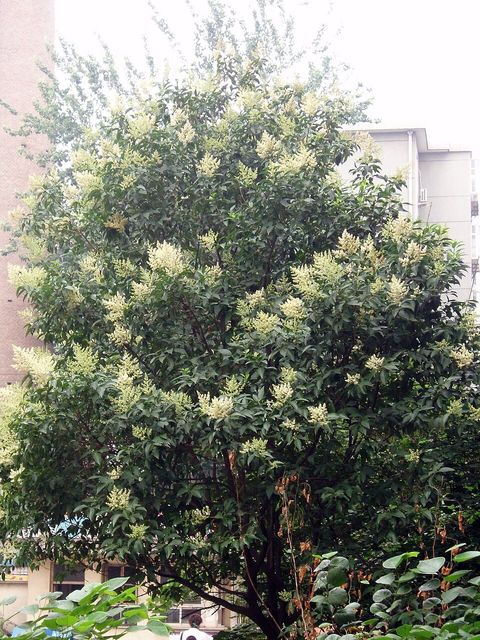
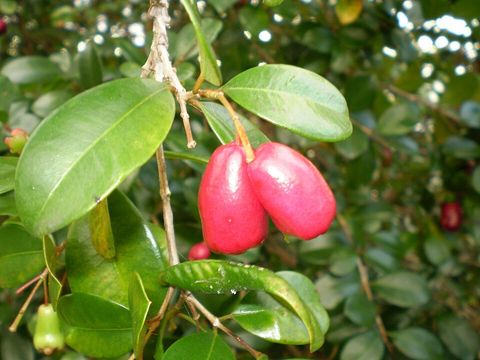
Look for small, oval leaves 2 to 7 cm long, set in opposite pairs along the stems. The young twigs and the leaf undersides are finely hairy, which helps separate it from broad-leaved privet, whose new stems are smooth and whose leaves are larger. In late winter and spring it carries dense sprays of tiny, heavily scented white to cream flowers at the branch tips. Clusters of small round berries follow, green at first and ripening blue-black. When it isn't flowering or fruiting it can be mistaken for natives such as lilly pillies or the cheese tree.
Growing a small-leaved privet in Brisbane
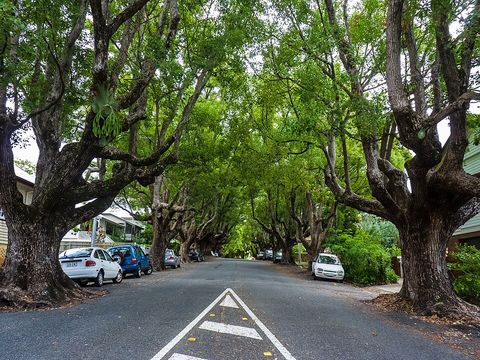
Small-leaved privet is most common in South East Queensland and coastal New South Wales, and it ranks among the 25 most invasive plants in our region. It copes with shade, so seedlings can come up under trees, along fence lines and in gullies, and it does best on moist, fertile soil near creeks. Garden hedges are a key seed source, because birds carry the berries into bushland. If you have an old privet hedge, a native screen is a better long-term choice.
What to watch out for
This is a restricted invasive plant, so never dump clippings or berries in bushland or green waste piles. The leaves and berries are poisonous if eaten, so keep children and livestock away from fruiting plants. The flowers can trigger allergic reactions in sensitive people. Cut stems and damaged roots sprout again, so removal usually needs follow-up. Large, overgrown hedges along fences or near buildings are a job for a tree service with the right gear.
- Poisonous parts. The leaves and berries are poisonous if eaten, both to people and to livestock.
- Allergies. The masses of strongly scented flowers can trigger allergic reactions in sensitive people.
- Seedlings. Birds eat the berries and drop the seeds, so seedlings come up in gardens, along fences and in bushland.
Pruning and care
If an existing hedge stays for now, trimming off the flower sprays before berries form stops birds spreading the seed. Bag clippings and berries for the general waste bin rather than dumping them. Pull small seedlings by hand after rain and get the whole root out, because a broken root regrows. Larger plants are usually cut down and the stump treated straight away with a registered herbicide, as cut stems resprout. Check for suckers and regrowth for a few seasons afterwards.
Is small leaf privet a weed in Queensland?
Is privet poisonous?
Does privet cause hay fever or allergies?
How do I get rid of small-leaved privet?
_Ligustrum_sinense_-_Foliage_and_infructescence.jpg)
Sources and credits
- Small leaved privet (Ligustrum sinense), weed identification tool Brisbane City Council
- Chinese privet Business Queensland (Queensland Government)
- Ligustrum sinense fact sheet, Weeds of Australia Lucid keys, Identic Pty Ltd
- Chinese privet (Ligustrum sinense) profile Weeds Australia, Centre for Invasive Species Solutions
- Ligustrum sinense, New South Wales Flora Online PlantNET, Royal Botanic Gardens Sydney
- Best plants for Brisbane gardens Brisbane City Council
Photo: Didier Descouens, CC BY-SA 4.0, via Wikimedia Commons.
Checked October 2026. Weed listings and council rules change: check the council's and the Queensland Government's pages before you act.
Get a free quote. We'll beat most written quotes.
Tell us about the job and the site. You don't need to be home for the quote. Available 7 days.
- 4.9 on Google (38 reviews)
- Family owned & operating since 1993
- Fully insured
- We'll beat most written quotes