
Tipuana tree
Tipuana tipu · also called Tipu tree, Rosewood, Racehorse tree
The tipuana tree is a fast-growing South American shade tree with drooping branches and masses of yellow pea flowers in spring and early summer. Brisbane City Council lists it as pest vegetation, because its spinning, winged seeds spread into bushland, creek banks and roadsides. It is also very big, quickly reaching 15 metres and eventually 20 metres or more, with a similar spread.
- Exotic
- Brisbane pest plant
- 15 to 20 m tall
- Flowers October to December
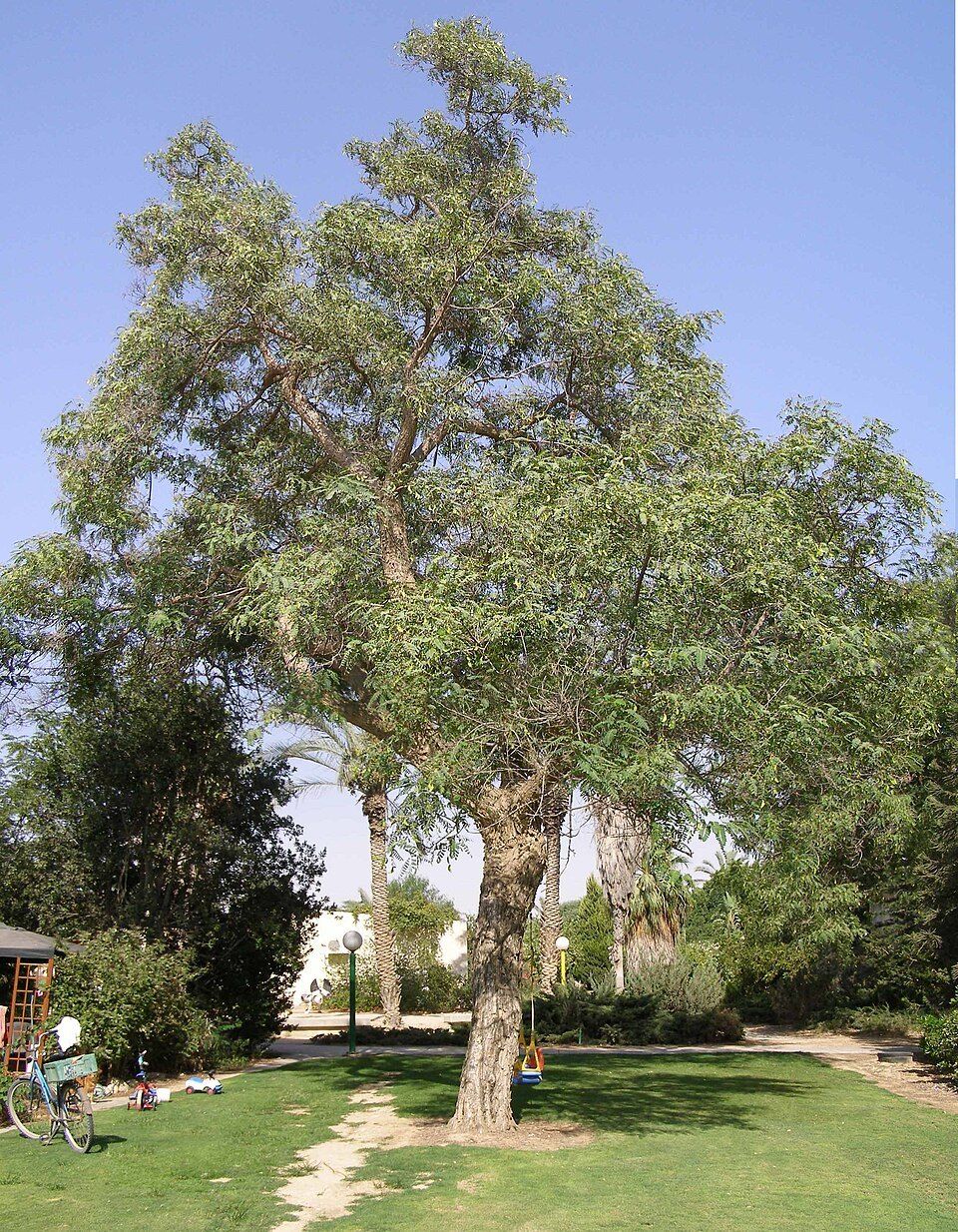
Tipuana at a glance
- Height
- 15 to 20 m (up to 30 m in the wild)
- Growth
- Fast
- Leaves
- Deciduous
- Flowers
- Yellow, October to December
- Origin
- South America: southern Bolivia, northern Argentina, southern Brazil, Paraguay and Uruguay
- Family
- Fabaceae
How to identify a tipuana
Tipuana is a large, spreading tree with rough, fissured bark and branches that often droop or weep. Each leaf carries 9 to 29 oval leaflets, 2.5 to 7 cm long, usually rounded or slightly notched at the tip. Clusters of yellow to yellow-orange pea flowers, each about 2 cm across with red marks at the base of the top petal, open in spring and early summer. The fruit is the best clue: a hard seed case with one large, thin wing 4 to 7 cm long that twirls like a helicopter as it drops, turning from green to pale brown.
Growing a tipuana in Brisbane
Tipuana was widely grown as a street and shade tree in the warmer parts of Australia, and it grows fast in Brisbane. That vigour is the problem. It is becoming widely naturalised in south-east and central Queensland, turning up on roadsides, disturbed ground, creek banks, open woodland and urban bushland. It also needs a lot of room, with a crown that can spread as wide as the tree is tall. Grow Me Instead suggests alternatives such as yellow flame tree, white cedar, native frangipani and tulip satinwood.
What to watch out for
Brisbane City Council lists tipuana as pest vegetation and notes that it is on the national Alert List for Environmental Weeds. Its winged seeds spread on the wind and in water, so seedlings appear well away from the parent tree. It is also a very large tree, quickly reaching 15 m and capable of 30 m or more. The City of Gold Coast's planting guidelines restrict its use near bushland, waterways and parks because it is potentially invasive.
- Seedlings. The winged seeds travel on the wind and in water, and the tree is becoming widely naturalised in south-east and central Queensland.
- Size. It quickly reaches about 15 m and can grow to 30 m or more, with a crown about as wide as it is tall.
Pruning and care
If you are keeping a tipuana for now, rake up and bin the winged seeds rather than letting them blow into garden beds and gutters, and pull up seedlings while they are small. Larger trees are usually controlled by cutting them down and treating the stump, by basal bark spraying or by stem injection, following the herbicide label. Because it grows fast and large, have big limbs over roofs and driveways checked regularly. Pruning or felling a large tipuana is a job for a professional with the right gear.
Is the tipuana tree a weed in Brisbane?
How big does a tipuana tree grow?
When does tipuana flower?
What can I plant instead of a tipuana?
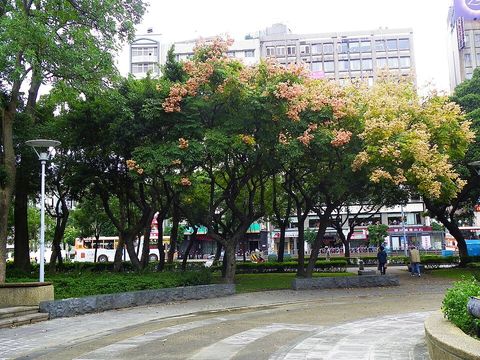
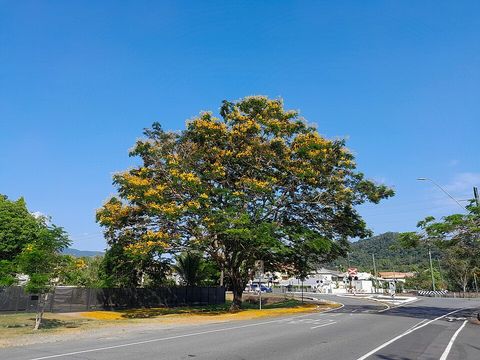
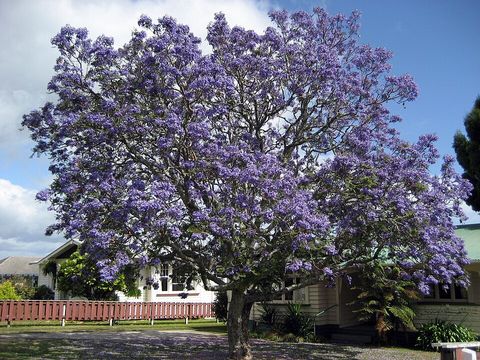

Sources and credits
- Tipuana (weed identification tool) Brisbane City Council
- Frequently asked questions (weed identification tool) Brisbane City Council
- Grow Me Instead: Queensland Sub-Tropics guide Grow Me Instead (Nursery & Garden Industry Australia)
- Tipuana tipu (Environmental Weeds of Australia, Biosecurity Queensland edition) Biosecurity Queensland and Identic
- Guidelines for undesirable plants (planning scheme policy) City of Gold Coast
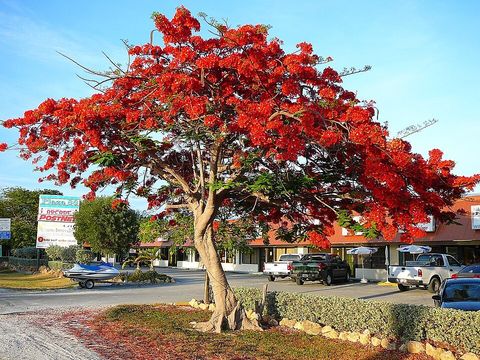
Photo: Felagund, CC BY-SA 3.0, via Wikimedia Commons.
Checked October 2026. Weed listings and council rules change: check the council's and the Queensland Government's pages before you act.
Get a free quote. We'll beat most written quotes.
Tell us about the job and the site. You don't need to be home for the quote. Available 7 days.
- 4.9 on Google (38 reviews)
- Family owned & operating since 1993
- Fully insured
- We'll beat most written quotes